The landscape of modern existence is built upon a complex foundation of digital architecture and scientific breakthroughs. Understanding the core technology facts everyone should know is no longer reserved for software engineers or IT professionals; it is a fundamental requirement for navigating the contemporary world. From the invisible signals that power global communication to the hardware constraints governing device performance, technology influences every aspect of professional and private life. This exploration serves as a primer on the mechanical, conceptual, and practical realities of the digital age, providing a comprehensive view of the tools that define modern society.
The Physical Reality of Data Transmission
Information does not travel through empty space via magic; it moves through a tangible, global network of physical infrastructure. A common misconception involves the belief that wireless connections, such as Wi-Fi or cellular data, represent the entirety of internet connectivity. In reality, the backbone of the global internet consists of massive fiber-optic cables laid across ocean floors. These submarine cables carry the vast majority of international data traffic, utilizing light pulses to transmit information at high speeds between continents. When a user accesses a server located in a different hemisphere, the request travels through these submerged conduits, highlighting the physical dependence of the digital world on terrestrial and marine engineering.
Cybersecurity Fundamentals and Digital Hygiene
Security in a digital environment relies on the understanding that no system is immune to vulnerabilities. Technology facts everyone should know include the reality that human error remains the primary vector for security breaches. Phishing attempts, weak password management, and the lack of multi-factor authentication represent significant risks to personal data integrity. Encryption functions as a mathematical shield for data, transforming readable information into ciphertext that requires a specific key to decipher. Implementing robust security practices, such as utilizing password managers and keeping software updated to patch known vulnerabilities, provides a necessary defense against automated threats that constantly scan for unprotected entry points.
The Architecture of Computing Power
At the heart of every technological device lies the semiconductor, or microchip. These components are composed of billions of microscopic transistors that function as switches, allowing for the binary processing of data—represented as ones and zeros. The continuous advancement of computing power follows a trajectory often associated with the observation that the number of transistors on a microchip doubles approximately every two years, leading to exponential growth in processing capabilities. This miniaturization allows modern smartphones to possess more computational power than the systems used to facilitate the Apollo moon landings. Understanding this trajectory helps clarify why software requirements increase over time, as developers utilize the available surplus of processing power to create more complex and feature-rich applications.
Comparing Traditional and Emerging Technologies
The evolution of technology often involves replacing legacy systems with more efficient models. The following table illustrates the differences between foundational concepts and their modern counterparts.
| Technology Category | Traditional Approach | Modern Innovation |
|---|---|---|
| Data Storage | Local Hard Disk Drives (HDD) | Cloud-Based Distributed Storage |
| Networking | Copper-based Ethernet | Fiber-Optic and 5G Wireless |
| Processing | Centralized Single-Core CPUs | Multi-Core and AI-Accelerated Chips |
| Software Delivery | Physical Installation Media | Software as a Service (SaaS) |
| Security | Perimeter-Based Firewalls | Zero-Trust Architecture |
The Mechanics of Artificial Intelligence
Artificial intelligence operates through machine learning, a process where systems analyze vast datasets to identify patterns and make predictions. Unlike traditional software, which follows a predefined set of instructions, machine learning models adjust their internal parameters based on the data they ingest. This capability allows for advancements in natural language processing, computer vision, and autonomous systems. One essential fact is that these models do not possess consciousness or intent; they are sophisticated statistical engines. The accuracy of an artificial intelligence system is strictly limited by the quality and diversity of the data used for training, which underscores the importance of data integrity in the development of automated tools.
The Environmental Impact of Digital Consumption
Digital activity carries a physical environmental footprint. Every search query, streaming session, and cloud storage backup requires power to operate data centers and cooling systems. These facilities consume significant amounts of electricity and water to maintain optimal temperatures for server hardware. Awareness of this reality encourages more efficient data management, such as reducing unnecessary cloud storage usage and extending the lifecycle of hardware to minimize electronic waste. The shift toward sustainable energy sources for large-scale data centers is a critical development in mitigating the ecological impact of the increasing global demand for digital services.
Understanding Connectivity and Latency
Latency refers to the delay between a user’s action and the system’s response. While bandwidth measures the amount of data that can be transferred at once, latency measures the time it takes for a signal to travel to the destination and back. In applications like real-time gaming, financial trading, or remote surgery, low latency is more critical than high bandwidth. Network congestion, physical distance from the server, and the number of hops a data packet must take across the internet all contribute to latency. Optimizing these factors is the primary focus of network engineers tasked with improving the responsiveness of global communication systems.
Frequently Asked Questions
What is the difference between hardware and software?
Hardware refers to the physical components of a computer, such as the processor, memory, and storage drives. Software is the set of instructions or programs that tell the hardware what to do.
Why do devices slow down over time?
Devices often experience performance degradation as software updates become more demanding, storage drives reach capacity, or background processes accumulate, requiring more resources from the existing hardware.
What is cloud computing?
Cloud computing involves accessing computing services—such as servers, storage, and databases—over the internet rather than relying on local hardware. It allows for scalable resources and remote data access.
How does encryption protect privacy?
Encryption uses cryptographic algorithms to scramble data so that unauthorized parties cannot read the information, even if they manage to intercept it during transmission or access it on a compromised drive.
Is it possible to be completely anonymous online?
Achieving total anonymity is difficult because most internet activities involve unique identifiers like IP addresses and device fingerprints. Tools like VPNs and encrypted browsers can enhance privacy, but they do not eliminate all digital footprints.
Conclusion
Grasping the core technology facts everyone should know provides a clearer perspective on the systems that facilitate modern life. From the undersea cables that connect the globe to the microscopic transistors powering personal devices, the digital world is a logical, albeit complex, extension of engineering and scientific effort. By understanding how data is transmitted, how security is maintained, and how computing power has evolved, individuals can make more informed decisions regarding their digital footprint and interactions. As technology continues to progress, maintaining a foundational understanding of these principles remains the best way to adapt to new innovations, ensuring that one can navigate the digital landscape with confidence and clarity.
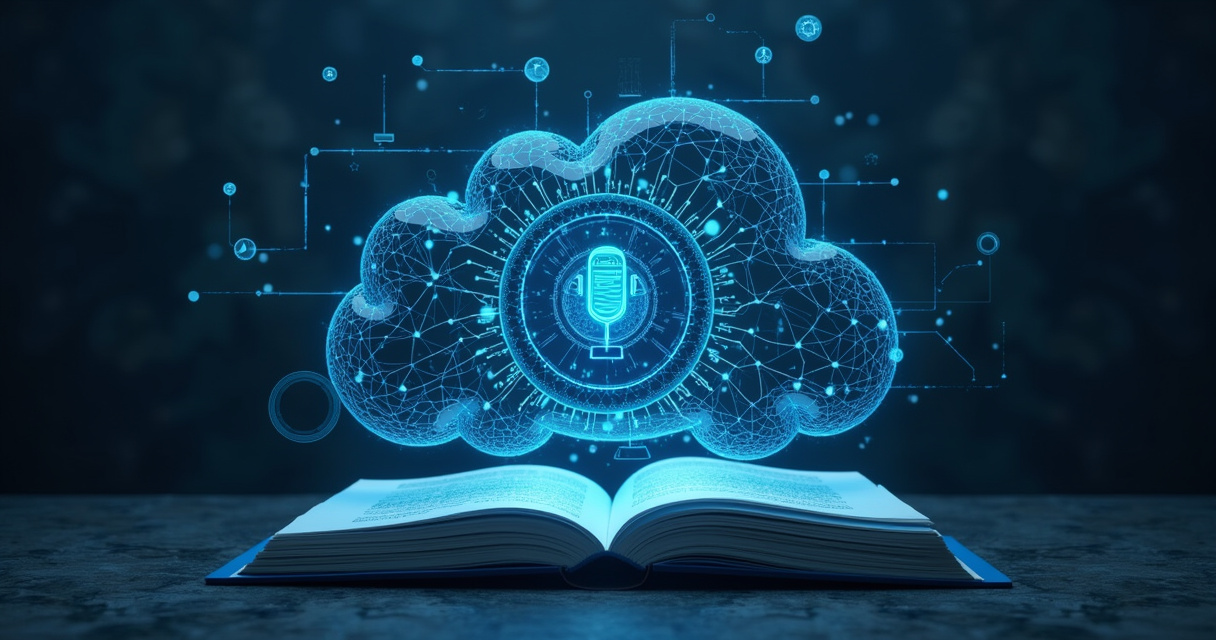
Featured Image Credit: Generated/Sourced via Runware.ai.
Disclaimer: This article is AI-generated for informational and educational purposes. While we strive to provide high-quality context and authority, the content should not be used as professional advice. The author/website assumes no liability for external links or factual omissions.
Important Links for n8nu.online
© 2026 n8nu.online. All Rights Reserved.