
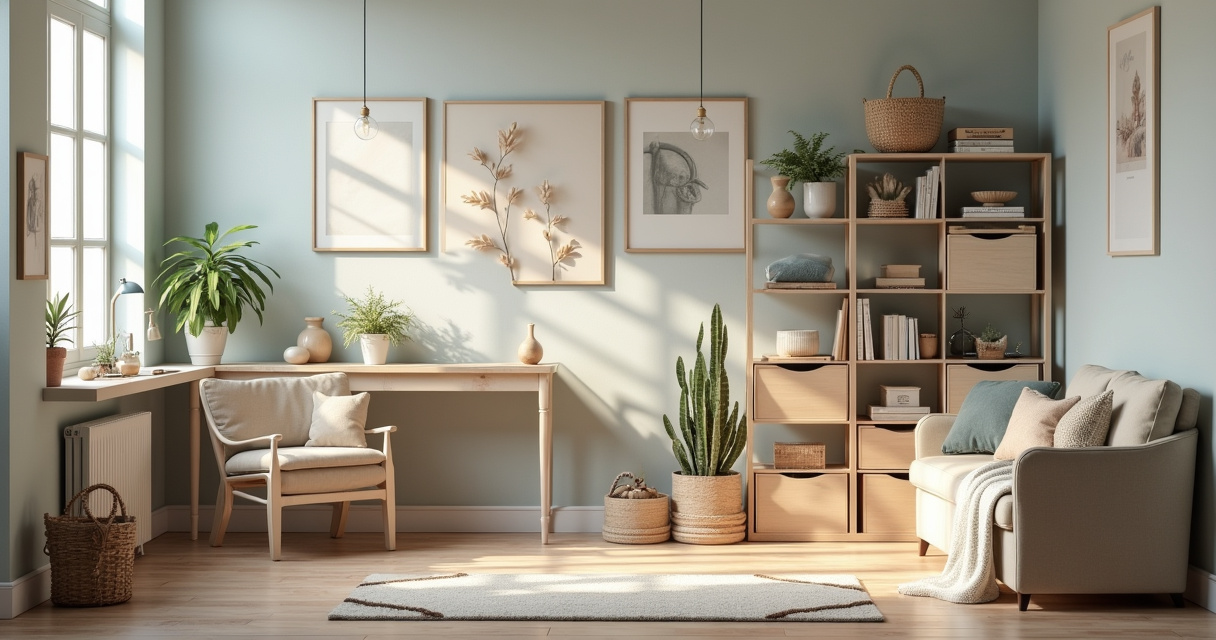
Managing a living space requires more than just occasional cleaning; it demands a systematic approach to placement and storage. Implementing easy home organization tips for beginners creates a foundation for long-term order, reducing the mental fatigue associated with visual clutter. By focusing on the relationship between utility and accessibility, any household can transform chaotic environments into functional, stress-free zones. This process involves evaluating existing inventory, choosing appropriate storage solutions, and establishing habits that prevent future accumulation.
The Foundation of Effective Space Management
The initial step in residential organization involves the objective assessment of items. Before purchasing storage bins or furniture, categorize belongings into three distinct groups: items for daily use, items for occasional use, and items for disposal or donation. This triage method is supported by the principles of ergonomics, which emphasize placing high-frequency objects within easy reach.
For beginners, the goal is to reduce friction in daily routines. If a kitchen tool is used every morning, it should occupy a primary spot on the counter or a top drawer rather than the back of a pantry. Creating a designated “home” for every item eliminates the need for decision-making during routine tasks, which significantly improves household efficiency.
Categorization Strategies for Every Room
Effective organization relies on the logical grouping of similar items. When objects are stored according to their function, retrieval times decrease, and the likelihood of misplacing items drops.
- Kitchens: Group cookware by size and frequency of use. Utilize vertical space with shelf inserts to maximize cabinet capacity.
- Living Areas: Utilize multi-functional furniture, such as ottomans with internal storage, to conceal blankets, remotes, and magazines.
- Closets: Sort garments by category and color. This visual hierarchy helps identify redundant pieces of clothing that may no longer be necessary.
- Entryways: Install hooks at varying heights to accommodate keys, bags, and coats immediately upon entering the home.
Maintaining these categories requires periodic review. Every few months, assess whether the current system still serves the household’s needs or if adjustments are required based on seasonal changes or lifestyle shifts.
Essential Tools and Storage Solutions
While elaborate systems exist, the most effective tools for beginners are often simple and versatile. Clear, stackable containers allow for immediate inventory checks, while labels provide a visual cue that reinforces the storage hierarchy. When selecting storage, prioritize durability and size accuracy to ensure the containers fit designated shelves or drawers without creating dead space.
Avoid the temptation to over-purchase organizers before completing the decluttering phase. Many households find that once excess items are removed, existing cabinetry and closet space are sufficient to hold the remaining inventory. Invest in drawer dividers for small items like utensils or office supplies to prevent migration and tangling, which are common causes of drawer disorder.
Comparison of Storage Methods
| Method | Best For | Benefit |
|---|---|---|
| Clear Bins | Pantries and Closets | Immediate visual identification of contents. |
| Drawer Dividers | Small Accessories | Prevents item migration and keeps clusters sorted. |
| Vertical Shelving | Small Footprints | Maximizes floor space by utilizing wall height. |
| Hanging Organizers | Closets | Frees up floor space for bulkier items. |
Maintaining Order with Sustainable Habits
The primary challenge in home organization is maintenance. To ensure that easy home organization tips for beginners yield lasting results, implement the “one-in, one-out” rule. For every new item brought into the home, remove one existing item. This simple practice prevents the gradual creep of clutter that often undoes previous organizing efforts.
Adopt a daily reset routine. Spending ten minutes each evening returning items to their designated homes prevents a backlog of tasks for the weekend. This habit ensures that the living space remains consistently functional rather than cycling between states of extreme order and extreme chaos. Consistency is the primary factor in long-term success, as it reinforces the organizational systems already in place.
Addressing Common Organizational Challenges
Beginners often encounter specific hurdles when establishing order. Identifying these obstacles is the first step toward overcoming them.
What if I lack storage space?
Focus on verticality. Use wall-mounted shelves, over-the-door hooks, and under-bed storage to reclaim floor space. When horizontal surface area is limited, vertical storage becomes the most effective way to manage inventory.
How do I handle sentimental items?
Sentimental items should be treated differently than utility items. Instead of keeping every object, select a limited number of high-value pieces and display them intentionally. Store the remainder in a dedicated box rather than letting them clutter active living areas.
Is it necessary to buy expensive organizers?
No. Many effective organizational solutions can be created using repurposed household items like shoeboxes or glass jars. Focus on the strategy of grouping rather than the aesthetic of the storage container.
Frequently Asked Questions
How long does it take to organize a home?
The duration depends on the volume of items and the size of the space. It is more effective to organize one drawer or shelf at a time rather than attempting an entire room in one session.
Does decluttering improve mental health?
Research suggests that a reduction in visual stimuli and a clear, organized environment contribute to lower stress levels and improved focus.
Should I label everything?
Labels are helpful for shared spaces to ensure all household members understand where items belong. They are particularly effective for bins in closets or garages.
How do I prevent clutter from returning?
The most effective way to prevent clutter is to be mindful of what enters the home. Regularly evaluate your inventory and remove items that no longer serve a purpose.
Conclusion
Mastering home organization is an iterative process that focuses on utility, logic, and habit formation. By implementing easy home organization tips for beginners, individuals can significantly improve the functionality of their living spaces. The journey begins with a thorough assessment of belongings, followed by the implementation of consistent storage systems and daily maintenance habits. Whether organizing a single drawer or an entire room, the objective remains the same: creating an environment where items are easily accessible and clutter is minimized. Through these structured steps, any home can become a more efficient and peaceful space, supporting a more organized daily life.
Featured Image Credit: Generated/Sourced via Runware.ai.
Disclaimer: This article is AI-generated for informational and educational purposes. While we strive to provide high-quality context and authority, the content should not be used as professional advice. The author/website assumes no liability for external links or factual omissions.
Important Links for n8nu.online
© 2026 n8nu.online. All Rights Reserved.