
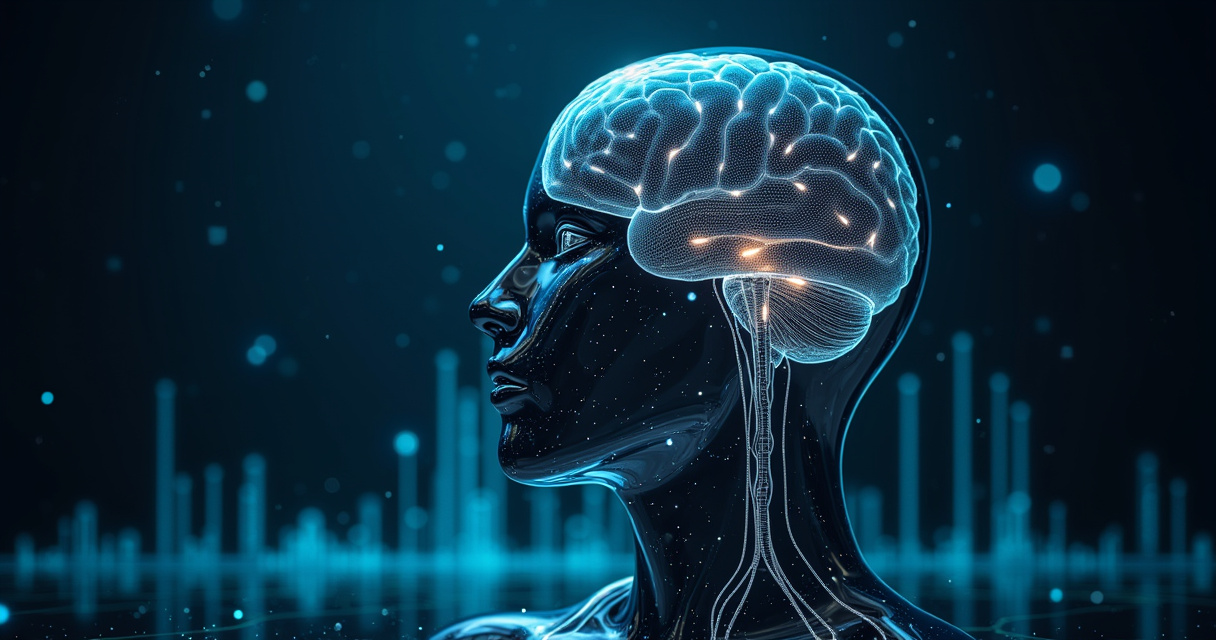
Artificial intelligence explained for complete beginners is a topic that often feels shrouded in mystery, yet it is fundamentally a branch of computer science dedicated to creating systems capable of performing tasks that typically require human intelligence. At its core, artificial intelligence refers to the simulation of human cognitive processes by machines, specifically computer systems. These processes include learning, reasoning, problem-solving, perception, and language understanding. Rather than following a strict set of pre-programmed rules for every possible scenario, modern AI systems utilize algorithms to analyze vast quantities of data, identify patterns, and make informed predictions or decisions based on that information.
The Mechanics Behind Machine Learning
Machine learning stands as the primary engine driving modern artificial intelligence. Unlike traditional software development, where a programmer writes explicit instructions for a computer to follow, machine learning allows systems to improve their performance over time through exposure to data. This process functions similarly to how a student learns a new subject. By providing the system with labeled examples, such as thousands of images of cats and dogs, the algorithm begins to recognize the specific features, shapes, and textures that distinguish one from the other. Once the training phase is complete, the system can accurately classify new, unseen images with a high degree of confidence. This transition from static programming to dynamic, data-driven learning represents the most significant shift in the history of computing.
Understanding Neural Networks and Deep Learning
Deep learning is a specialized subset of machine learning inspired by the structure and function of the human brain. These systems are built upon artificial neural networks, which consist of layers of interconnected nodes. Each layer processes information and passes it to the next, allowing the system to handle increasingly complex data representations. For instance, in speech recognition, the initial layers might identify basic sound frequencies, while deeper layers interpret these sounds as phonemes, words, and eventually full sentences. This hierarchical approach enables computers to process unstructured data, such as video, audio, and complex text, with a level of nuance that was previously impossible for traditional computing architectures.
Key Differences in AI Capabilities
| AI Category | Primary Function | Typical Use Case |
|---|---|---|
| Narrow AI | Performs a single specific task | Spam filters, chess engines |
| Generative AI | Creates new content from input | Writing text, creating art |
| Reactive Machines | Responds to current stimuli | Basic robotic navigation |
| Limited Memory | Uses past data for short-term decisions | Self-driving car trajectory |
Natural Language Processing in Daily Life
Natural Language Processing (NLP) is the technology that bridges the gap between human communication and machine understanding. Through NLP, computers can parse, interpret, and generate human language in a meaningful way. This field encompasses several technical challenges, including sentiment analysis, where a system determines whether a piece of text is positive or negative, and machine translation, which converts text from one language to another while preserving context. The advancement of NLP has enabled the creation of virtual assistants and sophisticated chatbots that facilitate more intuitive interactions between users and digital platforms, effectively turning human language into a usable interface for complex software.
The Role of Data Quality and Ethics
The effectiveness of any artificial intelligence model is entirely dependent on the quality and diversity of the data used during its training. If an algorithm is trained on biased or incomplete datasets, the resulting outputs will inevitably reflect those same biases. This reality has brought significant attention to the importance of data hygiene and ethical design in the technology sector. Developers are tasked with ensuring that datasets are representative of diverse populations and that the decision-making processes of the AI remain transparent. Understanding the ethical implications of these systems is just as important as understanding the underlying code, as the deployment of AI has profound societal consequences regarding privacy, security, and economic opportunity.
Practical Applications Across Industries
Artificial intelligence has moved beyond theoretical research and is now deeply integrated into the infrastructure of global industries. In healthcare, diagnostic tools assist radiologists by highlighting potential anomalies in medical imaging, which can lead to faster and more accurate treatment plans. In the financial sector, AI algorithms monitor millions of transactions in real-time to identify patterns indicative of fraudulent activity, providing a layer of security that human analysts could not maintain manually. Furthermore, in logistics and supply chain management, predictive analytics optimize delivery routes and inventory levels, reducing waste and increasing efficiency across the board. These applications demonstrate how AI serves as a powerful utility that enhances human capability rather than simply replacing it.
Frequently Asked Questions
Is artificial intelligence the same as robotics?
No, artificial intelligence refers to the software and algorithms that enable a machine to think and learn. Robotics is the branch of engineering that deals with the physical design and construction of machines. An AI can exist as software on a server without ever having a physical body or moving parts.
Can artificial intelligence truly “think” like a human?
Current AI systems do not possess consciousness, emotions, or self-awareness. They operate based on statistical probability and mathematical optimization. While they can simulate the output of human thinking, they do not have an internal understanding of the concepts they process.
What is the difference between supervised and unsupervised learning?
Supervised learning involves training a model on a dataset that includes the correct answers, allowing the system to learn the relationship between input and output. Unsupervised learning involves giving the system raw data without labels and asking it to find hidden patterns or structures on its own.
How does artificial intelligence impact job markets?
AI tends to automate repetitive, data-heavy tasks, which changes the nature of many roles. While some positions may be phased out, the technology also creates demand for new skills, such as data analysis, AI maintenance, and ethical oversight, often shifting the focus of human labor toward more complex, creative, and interpersonal challenges.
Conclusion and Future Outlook
Artificial intelligence explained for complete beginners reveals a landscape defined by rapid innovation and practical utility. By moving from static rules to dynamic learning, these systems have transformed how society interacts with information and technology. The evolution of machine learning, neural networks, and natural language processing provides a foundation for solving increasingly complex problems across every major industry. As the technology continues to mature, the focus will likely shift toward improving the transparency of these models and ensuring that their development aligns with broader societal goals. For those entering this field, the path forward involves a commitment to continuous learning, a focus on data integrity, and a clear understanding of the balance between technical capability and ethical responsibility. The future of artificial intelligence is not merely about what machines can do, but about how humanity chooses to apply these tools to foster progress and efficiency in the years to come.
Featured Image Credit: Generated/Sourced via Runware.ai.
Disclaimer: This article is AI-generated for informational and educational purposes. While we strive to provide high-quality context and authority, the content should not be used as professional advice. The author/website assumes no liability for external links or factual omissions.
Important Links for n8nu.online
© 2026 n8nu.online. All Rights Reserved.