How Modern Technology Is Changing Everyday Life
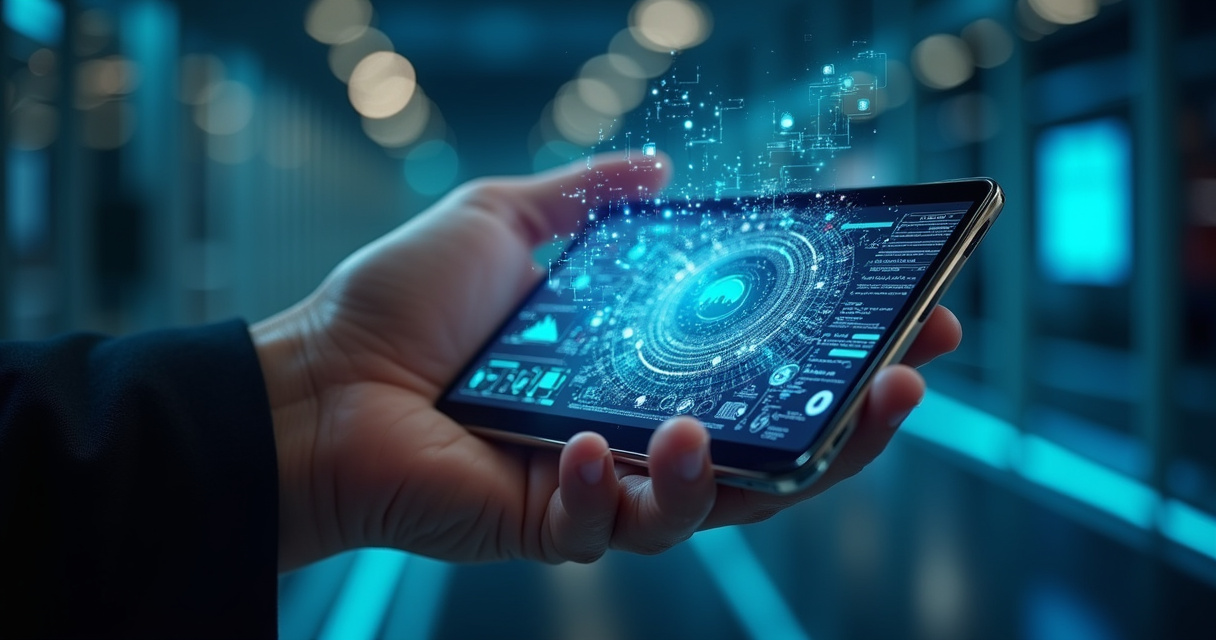
The integration of advanced systems into the fabric of human existence has fundamentally altered how society functions. From the moment an individual wakes up to the final tasks performed before sleep, modern technology acts as the primary interface between human intent and environmental execution. This transformation is not merely about the introduction of new gadgets; it involves a systemic shift in how information is processed, how labor is divided, and how physical boundaries are transcended.
The Evolution of Digital Communication and Connectivity
Communication has transitioned from localized, synchronous interactions to a globalized, asynchronous model. High-speed internet infrastructure ensures that geographical distance no longer serves as a barrier to collaboration or social engagement. Platforms designed for instant messaging, video conferencing, and collaborative document editing allow for real-time synchronization across continents. This shift has redefined the professional landscape, enabling the rise of remote work models that prioritize output over physical presence.
The move toward digital-first communication also necessitates a higher degree of digital literacy. Individuals must now navigate complex interfaces and manage multiple digital identities, which influences how personal and professional reputations are maintained. The efficiency gains are significant, but they also bring a requirement for constant connectivity, which alters the traditional boundaries between professional obligations and personal downtime.
Advancements in Healthcare and Personal Wellness
Technology is changing everyday life by shifting the focus of medicine from reactive treatment to proactive management. Wearable devices now monitor heart rate, sleep cycles, and blood oxygen levels in real-time, providing users with actionable data regarding their physical state. This democratization of health data allows individuals to make informed decisions about their lifestyle, diet, and exercise routines without requiring constant oversight from medical professionals.
Telemedicine platforms have further expanded access to healthcare, particularly for those in remote or underserved areas. Virtual consultations provide a bridge to specialist care, reducing the need for travel and minimizing the time between symptom identification and clinical intervention. The integration of artificial intelligence in diagnostic imaging and predictive analytics further enhances the accuracy of medical assessments, leading to earlier detection of chronic conditions.
Transforming Domestic Environments Through Automation
The domestic sphere has undergone a radical transformation through the implementation of the Internet of Things (IoT). Smart home ecosystems allow for the centralized control of lighting, climate, security, and appliances. These systems optimize energy consumption by adjusting heating or cooling based on occupancy patterns, which contributes to increased household efficiency and reduced environmental impact.
Automation in the home extends beyond convenience; it provides accessibility solutions for individuals with mobility limitations. Voice-activated controls and automated home maintenance systems reduce the physical strain associated with daily chores. As these technologies become more affordable and intuitive, their presence in the average residence continues to grow, effectively turning the home into a responsive, interconnected environment.
Comparison of Technological Impacts on Daily Routines
| Feature | Traditional Approach | Modern Technological Approach |
|---|---|---|
| Communication | Face-to-face or landline | Instant messaging and video conferencing |
| Healthcare | Periodic physical check-ups | Continuous monitoring via wearables |
| Productivity | Manual filing and office-based | Cloud-based collaborative software |
| Home Management | Manual operation of appliances | Automated IoT-integrated systems |
| Transportation | Fixed schedules and physical tickets | On-demand ride-sharing and digital apps |
Financial Transactions and the Shift Toward Digital Economies
The mechanics of commerce have moved away from physical currency toward digital-first transaction models. Electronic payment systems, mobile wallets, and decentralized finance protocols have streamlined the exchange of value. This transition reduces the friction associated with international trade and personal banking, allowing for near-instantaneous transfers of funds.
The rise of digital economies also introduces new considerations regarding data privacy and security. As financial records move entirely online, the importance of robust encryption and multi-factor authentication becomes paramount. The convenience of digital payments is balanced by the need for heightened vigilance against cyber threats, making cybersecurity an essential component of modern financial literacy.
Impact on Education and Knowledge Acquisition
Access to information has been democratized through online learning platforms and digital libraries. Education is no longer confined to traditional classroom settings; individuals can acquire new skills through massive open online courses (MOOCs) that provide high-quality content from top institutions. This shift encourages a culture of lifelong learning, where the ability to adapt to new information is as valuable as formal certifications.
Digital tools also change the way information is synthesized. Interactive simulations, virtual reality, and data visualization tools allow for a deeper understanding of complex subjects. Rather than relying solely on static textbooks, learners can engage with dynamic content that responds to their specific queries and pace of study.
Frequently Asked Questions
How does technology influence the modern work-life balance?
Technology provides the flexibility to work from anywhere, but it also creates a culture of constant availability. Establishing clear boundaries and utilizing focus-enhancing tools can help manage this integration effectively.
What is the role of smart technology in energy efficiency?
Smart devices can analyze usage patterns to optimize energy consumption. By automating climate control and lighting, these systems ensure that resources are used only when necessary, which lowers utility costs.
Are there privacy concerns with the rise of connected devices?
Yes, increased connectivity involves data collection. Users should prioritize privacy settings, use secure networks, and remain informed about the data practices of the service providers they engage with.
How is technology changing the way we learn?
Technology allows for personalized, self-paced learning through online platforms. It provides access to global expertise and interactive tools that facilitate a more practical and engaging educational experience.
Final Reflections on the Technological Era
The ways in which modern technology is changing everyday life are profound and irreversible. As systems become more integrated and data-driven, the nature of human interaction with the physical world continues to evolve. While these advancements offer unprecedented convenience and efficiency, they also require a deliberate approach to digital consumption. Navigating this landscape effectively involves balancing the benefits of automation and connectivity with the need for security, privacy, and intentional engagement. As technology continues to progress, the ability to integrate these tools into daily life while maintaining focus on core objectives will remain a defining characteristic of the modern era. The ongoing evolution of these systems suggests that the future will be defined by even greater levels of personalization and responsiveness, further blurring the lines between digital and physical existence.
Featured Image Credit: Generated/Sourced via Runware.ai.
Disclaimer: This article is AI-generated for informational and educational purposes. While we strive to provide high-quality context and authority, the content should not be used as professional advice. The author/website assumes no liability for external links or factual omissions.
Important Links for n8nu.online
© 2026 n8nu.online. All Rights Reserved.