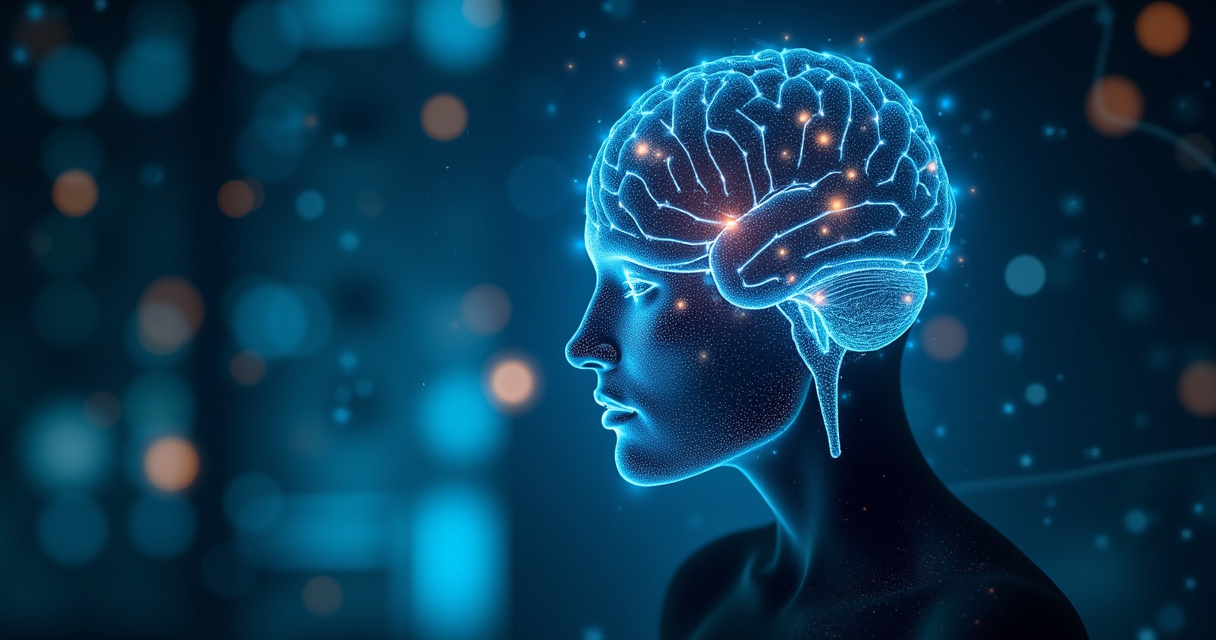
The integration of advanced computational models into the medical field has fundamentally altered how practitioners approach patient wellness. The benefits of artificial intelligence in healthcare extend far beyond simple automation, representing a paradigm shift in diagnostic precision, operational efficiency, and personalized treatment planning. By processing vast datasets that exceed human cognitive capacity, these technologies enable medical professionals to identify patterns, predict outcomes, and optimize resource allocation with unprecedented speed. This transition toward data-driven medicine supports a more proactive approach to health management, shifting the focus from reactive interventions to preventative care strategies. As computational power continues to scale, the role of machine learning algorithms in clinical decision support systems becomes increasingly central to modern hospital infrastructure, ensuring that high-quality care remains accessible and consistent.
Precision Diagnostics and Early Detection
The primary advantage of deploying machine learning in clinical settings is the enhancement of diagnostic accuracy. Imaging modalities such as MRI, CT scans, and X-rays generate massive amounts of visual data that require meticulous review. Algorithms trained on millions of annotated images can now detect anomalies, such as localized cellular mutations or microscopic fractures, often before they become symptomatic. By acting as a secondary set of eyes, these tools reduce the likelihood of human error caused by fatigue or oversight. Furthermore, early detection significantly improves survival rates for conditions like oncology-related diseases, where timing is a critical factor in successful intervention.
Operational Efficiency and Workflow Optimization
Beyond the clinical interface, the administrative burden on healthcare systems is a major hurdle that artificial intelligence in healthcare effectively addresses. Hospitals often face challenges with resource management, such as bed availability, staff scheduling, and patient flow. Predictive analytics can forecast patient inflow based on historical trends, seasonal changes, or local health outbreaks. By automating routine documentation tasks and streamlining electronic health record (EHR) management, medical staff can dedicate more time to direct patient interaction rather than repetitive data entry. This optimization reduces wait times and lowers the overhead costs associated with manual administrative processes, creating a more sustainable financial model for healthcare providers.
Personalized Treatment and Precision Medicine
The move toward precision medicine relies heavily on the ability to synthesize individual patient profiles, including genetic markers, lifestyle factors, and environmental influences. Computational intelligence allows for the creation of highly tailored treatment protocols that account for an individual’s unique biological makeup. Instead of a one-size-fits-all approach to medication, doctors can utilize predictive models to determine which pharmaceutical interventions will be most effective with the fewest side effects. This level of customization ensures that patients receive the right care at the right time, minimizing the trial-and-error phase often associated with complex chronic conditions.
Comparison of Traditional vs. AI-Enhanced Healthcare
| Feature | Traditional Healthcare | AI-Enhanced Healthcare |
|---|---|---|
| Diagnostic Speed | Dependent on manual review | Near-instant pattern recognition |
| Data Processing | Limited by human cognition | Massive, multi-modal data integration |
| Treatment Plans | Generalized protocols | Personalized, data-driven strategies |
| Administrative Tasks | Manual, time-intensive | Automated, optimized workflows |
| Preventative Care | Reactive to symptoms | Predictive based on trends |
Advancing Remote Monitoring and Telehealth
The expansion of wearable technology and remote sensing devices has paved the way for continuous health monitoring. Artificial intelligence in healthcare serves as the backbone of these systems, analyzing real-time data streams from heart rate monitors, glucose sensors, and blood pressure cuffs. When these devices detect deviations from a patient’s normal baseline, they can alert clinical teams immediately, facilitating remote intervention before a situation escalates into an emergency. This capability is particularly vital for managing chronic conditions such as diabetes or cardiovascular disease, allowing patients to remain in their homes while maintaining a high standard of medical oversight.
Accelerating Pharmaceutical Research and Development
Drug discovery is historically a slow, expensive, and high-risk endeavor. Traditional methods require years of laboratory testing and clinical trials to bring a single medication to market. Computational models are now being used to simulate molecular interactions and predict the efficacy of various chemical compounds before they ever reach the physical testing stage. By narrowing down the list of viable candidates through simulation, researchers can save years of development time and significantly reduce costs. This acceleration is essential for responding to emerging health threats and developing innovative therapies for rare diseases that were previously considered too complex to address.
Frequently Asked Questions
How does artificial intelligence in healthcare ensure patient data privacy?
Robust security protocols, including end-to-end encryption and decentralized data processing, are standard in modern medical systems to ensure that sensitive information remains protected while still being accessible for analysis.
Can machines completely replace human doctors?
No, these technologies function as decision-support tools. The final clinical judgment, ethical considerations, and the human element of compassionate care remain exclusively in the domain of trained medical professionals.
What is the role of machine learning in preventative medicine?
Machine learning models analyze historical health data to identify risk factors, allowing practitioners to suggest lifestyle changes or preventative screenings that can stop a disease from progressing in the first place.
Is AI-driven healthcare accessible to all facilities?
While large academic medical centers were early adopters, the scalability of cloud-based software is making these tools increasingly available to smaller clinics and regional hospitals, democratizing access to advanced diagnostic capabilities.
The integration of advanced technology into medical practice represents a significant leap forward in the quality and efficacy of patient care. By leveraging the benefits of artificial intelligence in healthcare, the industry is becoming more proactive, precise, and efficient. The shift toward data-driven insights ensures that the future of medicine will be defined by better health outcomes and a more streamlined experience for both providers and patients. As these systems continue to evolve, the focus will remain on refining the synergy between human expertise and computational precision, ultimately creating a more robust and responsive healthcare ecosystem. The next steps for the industry involve further refining the integration of these tools into daily practice, ensuring that practitioners are well-trained to interpret data-driven insights while maintaining the core values of medical ethics and patient-centered care.
Featured Image Credit: Generated/Sourced via Runware.ai.
Disclaimer: This article is AI-generated for informational and educational purposes. While we strive to provide high-quality context and authority, the content should not be used as professional advice. The author/website assumes no liability for external links or factual omissions.
Important Links for n8nu.online
© 2026 n8nu.online. All Rights Reserved.